Gender Equality
- Home
- Gender Equality
Supporting the SDGs
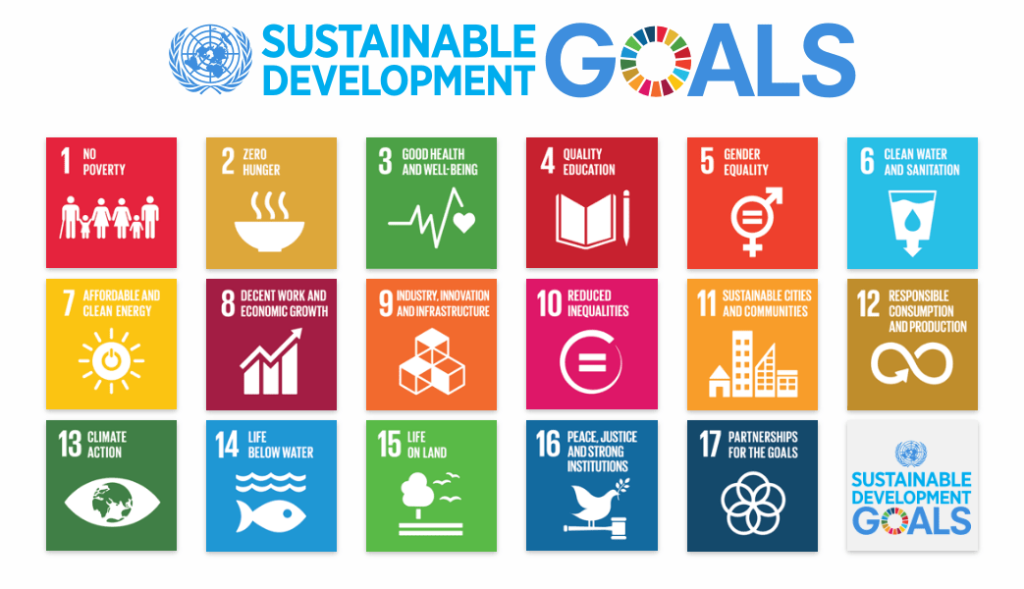
The world is not on track to achieve gender equality by 2030. According to the 2023 SDGs Report, at the current pace, it will take 300 years to end child marriage (with 1 in 5 young women still married before their 18th birthday). It will take 286 years to close gaps in legal protections and remove discriminatory laws, and 140 years to achieve equal representation in workplace leadership.
These projections make it clear that the world is not on track to “Achieve Gender Equality and Empower All Women and Girls” by 2030.
One reason for this slow progress is rarely discussed. Much of the global response to gender inequality focuses almost exclusively on women and girls, often assuming that the other half of the equation requires little attention. Yet the systems and behaviours that sustain gender inequality do not exist in isolation.

For example, the young women married before adulthood are not married to other women. The attitudes, expectations, and behaviours of men and boys play a decisive role in shaping these outcomes. When interventions overlook this reality, the effort toward gender equality becomes incomplete.
Across many cultures and economies, boys are still raised under powerful expectations to be dominant, emotionally invulnerable, aggressive, commanding, and constantly “in control.” From childhood, they are told, implicitly and explicitly, to “be a man.”
Under such pressure, many men learn to suppress reflection, vulnerability, and emotional intelligence, qualities that foster empathy and healthy relationships. Even in moments that should invite pause, dialogue, or support, men are often conditioned to push forward silently in order to prove their masculinity.
The result is a distortion of masculine identity that harms everyone. It deprives humanity of balanced strength and undermines healthy relationships between men and women. Men who might otherwise grow into empathetic and emotionally grounded individuals sometimes instead develop patterns of dominance, detachment, or hostility toward one another and, tragically, toward women.
While the world pursues gender equality, these cultural expectations continue to reinforce inequality. In many places, they still shape how some men perceive women: not as equal partners in society, but as lesser, subordinate, or even as possessions. In some contexts, these attitudes are further reinforced by cultural norms that women themselves may feel compelled to uphold.
If meaningful progress is to be made, this dimension cannot remain unaddressed. The challenges surrounding masculinity are becoming increasingly visible. Many men and boys today struggle physically, emotionally, financially, and relationally. They struggle under the weight of outdated expectations about what it means to be a man. Addressing gender inequality while ignoring these struggles leaves a critical gap in the global response.
ManAnew exists to help bridge that gap. Our mission is to reach men and boys and to re-examine masculinity in alignment with contemporary human development. Gender issues are not caused by abstractions. They arise from human behaviour. And much of that behaviour is shaped by how boys are socialised into manhood.
Masculinity itself is not the problem, just as femininity is not the problem. The challenge lies in the misinterpretations, distortions, and harmful expressions that have been normalised over time. These can be addressed. And they must be.
We invite partnerships and support to advance this work of helping men grow into healthier, more self-aware, and more responsible expressions of masculinity, thereby enabling genuine progress toward gender equality for everyone.